Why Families Notice Cognitive Changes During the Holidays
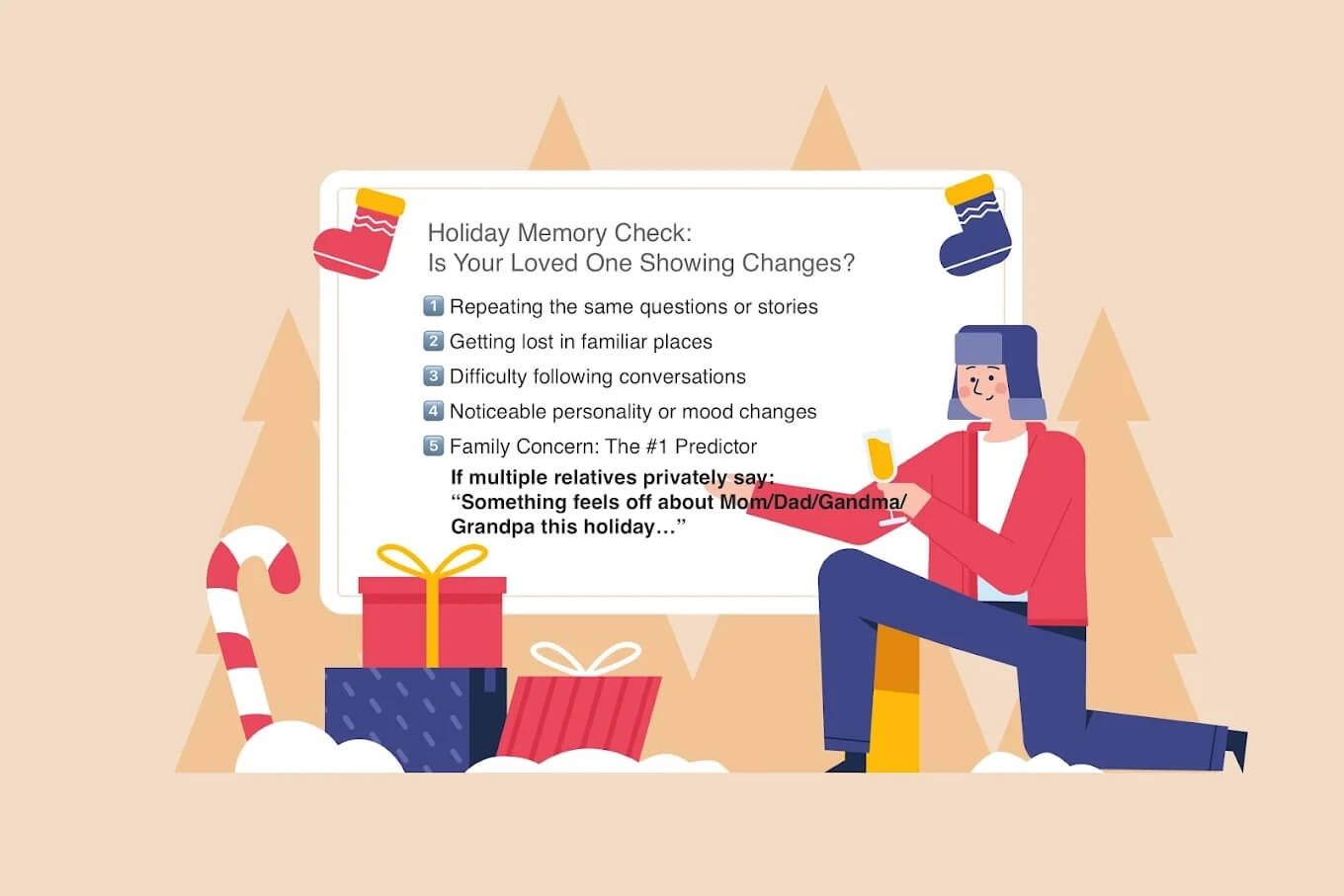
The holidays often bring families together for extended time, shared conversations, and familiar routines, providing a rare opportunity to compare notes on a loved one's behavior. This extended, unstructured time makes subtle changes in memory, attention, or behavior easier to notice. Many families begin asking the same fundamental question: Is this normal aging, or something more?
Common concerns family members observe include repeating questions, difficulty following complex conversations, increased confusion, misplacing items, word-finding problems, or personality changes. While some minor cognitive slowing can occur with age, persistent or worsening symptoms may indicate a need for further evaluation.
If you are unsure where to start, a virtual cognitive screening in Florida can help clarify whether observed changes fall within the expected range of normal limits or truly warrant a comprehensive assessment.
Differentiating Normal Aging vs. Cognitive Decline
The distinction between normal age-related changes and concerning cognitive decline often comes down to *consistency* and *impact* on independence:
Normal Aging Forgetting (Not Concerning)
- Forgetting where you put your keys or phone, but eventually remembering later.
- Temporarily forgetting the name of an acquaintance.
- Occasional difficulty with mental arithmetic (e.g., balancing the checkbook takes longer).
- Slower processing speed or taking longer to learn new technology.
Concerning Memory Loss (Warrants Evaluation)
- Repeating stories or questions within the same conversation, not realizing it was just said.
- Getting lost in familiar places or having difficulty navigating well-known routes.
- Inability to manage complex tasks like finances, medication schedules, or multi-step recipes.
- Word-finding difficulties that significantly disrupt conversational flow or substitution of incorrect words.
- Increased irritability, anxiety, or withdrawal—especially loss of insight into their own cognitive difficulties (a symptom called anosognosia).
Early Signs of Memory Loss Families Often Notice
These early signs of memory loss are especially important to evaluate when they interfere with daily functioning or represent a noticeable change from prior abilities. The functional skills are often the first to be affected:
- Difficulty managing finances or paying bills consistently and correctly.
- Trouble following plans, schedules, or recipes they were previously proficient at.
- Misplacing essential items (like glasses or keys) in highly unusual or inappropriate places.
- A decline in personal hygiene or appearance.
- Avoiding social activities or hobbies they once enjoyed due to the increasing challenge of those activities.
The Challenge of Anosognosia and Lack of Insight
One of the most distressing situations for families is the lack of insight, or anosognosia, where the individual experiencing cognitive changes genuinely does not realize they have a problem. They may become defensive, dismissive, or even hostile when family members raise concerns.
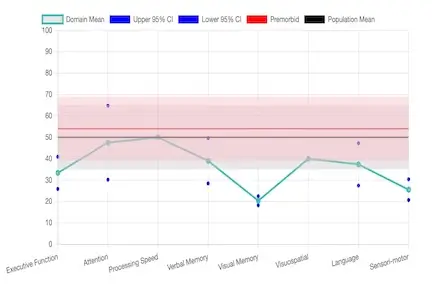
When this lack of insight is present, the family's input becomes even more critical. A neuropsychological evaluation for memory loss is essential in these cases because it relies on objective, standardized testing, rather than the patient's self-report, to determine the level of impairment.
When to Seek Professional Help and What to Expect
If multiple family members notice worsening changes, or if daily functioning (driving, managing money) is affected, it is appropriate to seek evaluation immediately. The first step should be consulting the primary care physician (PCP) or a trusted neurologist.
The PCP will typically order routine lab work and a brief screening, but a comprehensive neuropsychological evaluation is the gold standard for definitive diagnosis because it:
- Pinpoints the Cause: Provides detailed, objective testing to determine whether symptoms reflect normal aging, Mild Cognitive Impairment (MCI), dementia, or other medical/psychological contributors.
- Differentiates Factors: Clarifies if symptoms are due to a neurological condition versus reversible factors such as depression, anxiety, sleep disorders, or medication effects.
- Establishes a Baseline: Creates a detailed record of current function for future monitoring and tracking of treatment effectiveness.
- Guides Planning: Provides the objective data needed to guide medical, legal (e.g., capacity evaluations), and long-term care decisions.
Many families begin with education, then progress to formal testing after reviewing resources such as our guide on neuropsychologist vs neurologist vs psychiatrist.
The Benefits of Early Diagnosis (Don't Wait)
Early evaluation leads to better outcomes and greater peace of mind. Specifically, early diagnosis of MCI or Dementia allows families to:
- Access Treatment: Start available medications or lifestyle interventions sooner, when they are most effective at slowing progression.
- Maximize Independence: Implement cognitive rehabilitation and compensation strategies early to prolong independent living.
- Future Planning: Ensure the individual’s wishes regarding finances, healthcare, and capacity are documented while they still have the legal ability to make those decisions.
- Reduce Family Stress: Replace uncertainty and anxiety with a clear diagnosis and a structured care plan.
Bottom Line
The holidays can be an important checkpoint for cognitive health. Trust your observations. Early evaluation leads to better planning, better treatment outcomes, and peace of mind for families navigating uncertainty. Don't wait until the cognitive changes are advanced.
References
- American Academy of Neurology. Practice Guideline: Evaluation of Dementia. 2021.
- Alzheimer’s Association. Early Detection and Diagnosis.
- Zweig R, et al. Psychological Practice with Older Adults: Guidelines. APA. 2024.